
Technology That Responds to Daily Patterns
Smart Home Upgrades in Dexter for homeowners looking to control lighting, climate, and security systems through connected devices and automation features
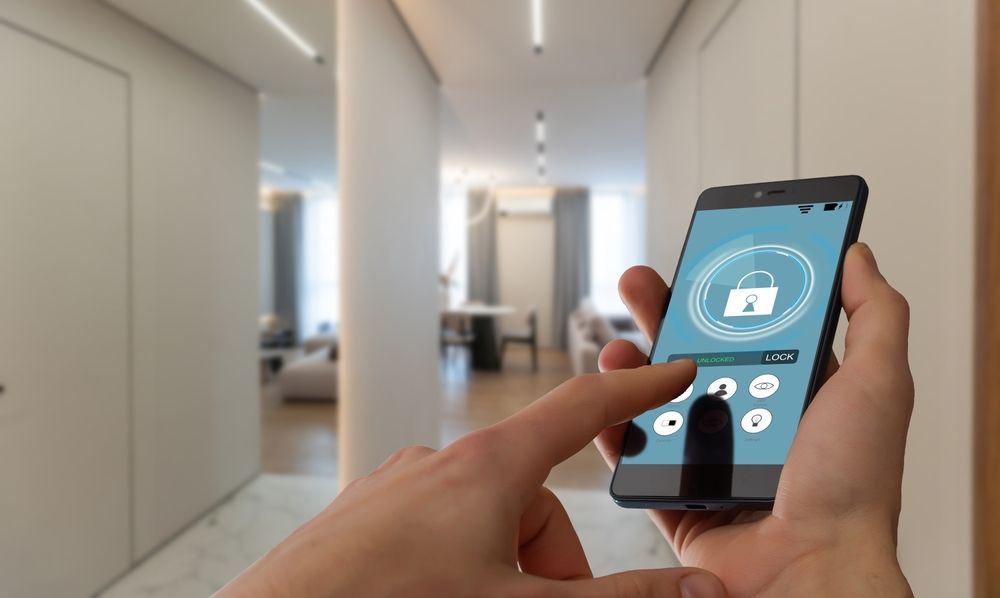
Automation systems reduce the manual steps required to manage lighting schedules, thermostat adjustments, and security monitoring throughout a residential property. Full Quality, LLC installs smart thermostats, connected lighting controls, security cameras, and automated door locks that integrate with mobile devices or voice-controlled hubs. These upgrades allow homeowners in Dexter to adjust settings remotely, program routines that respond to occupancy patterns, and monitor entry points without maintaining separate control panels for each system.
Smart thermostat installation involves replacing existing units, confirming compatibility with current HVAC wiring, and configuring learning algorithms that adapt to household schedules. Connected lighting systems require installing compatible switches or smart bulbs, establishing wireless network connections, and programming zones that adjust brightness based on time of day or occupancy sensors. Security integration connects cameras, door sensors, and locks to a central platform that sends alerts when motion is detected or access points are triggered.
Arrange a planning session to evaluate which smart home features align with your security priorities and energy management goals in Dexter, Poplar Bluff, Bloomfield, and surrounding areas.
What Smart Systems Actually Control
Smart thermostats track heating and cooling patterns over time, then automatically adjust temperature setpoints based on when the home is typically occupied or vacant. This prevents the common issue where HVAC systems run at full capacity during hours when no one is present, wasting energy without improving comfort. The system learns preferred temperatures for different times of day and makes incremental adjustments that reduce runtime without requiring constant manual input.
After installation completes, you control lighting, temperature, and security monitoring from a single interface rather than walking between rooms to flip switches or adjust individual thermostats. Automated routines turn off lights in unoccupied rooms, lower thermostats during scheduled away periods, and activate exterior cameras when doors are locked for the night. You receive notifications if entry sensors trigger unexpectedly or if smoke detectors activate while you're away from the property.
Energy-saving features vary depending on which devices are installed and how automation routines are configured. Some homeowners prioritize security-focused upgrades like cameras and smart locks, while others emphasize climate control and lighting efficiency to reduce monthly utility costs. The setup process includes network configuration to confirm devices communicate reliably without connectivity gaps that cause delayed responses or offline status.
Questions About Connected Home Technology
Homeowners typically ask about compatibility, installation requirements, and how smart systems integrate with existing infrastructure before committing to upgrades.
What determines whether your current wiring supports smart device installation?
Most smart thermostats require a common wire that older HVAC systems sometimes lack, and connected switches need neutral wires that may not be present in homes built before the 1980s, so compatibility checks happen before equipment is ordered.
How do smart home systems continue functioning if internet connectivity drops?
Devices with local control capabilities still respond to manual adjustments and programmed schedules even when the network goes offline, though remote access and cloud-based features remain unavailable until connectivity restores.
What makes one smart lighting system different from another?
Some platforms rely on proprietary hubs that all devices must connect through, while others use standard wireless protocols that allow mixing brands and adding devices over time without replacing the entire system.
When should you upgrade your home's wireless network before installing smart devices?
Properties in Dexter with thick interior walls or large square footage sometimes experience dead zones where devices lose connection, so evaluating network coverage and adding access points before installation prevents reliability issues once systems go live.
What ongoing maintenance do smart home systems require after installation?
Software updates happen automatically for most devices, but battery-powered sensors need replacement batteries annually, and camera lenses require periodic cleaning to maintain clear image quality for security monitoring.
Full Quality, LLC handles professional installation and setup for smart thermostats, connected lighting, security systems, and automation features that improve convenience and energy efficiency. Contact our office to discuss which upgrades fit your current property infrastructure and daily control preferences.